Queensland Pool Safety Inspections: What Gets Checked and How to Pass
A Queensland pool safety inspector examines far more than fence height — here's exactly what they look for and how to fix common fails before they do.
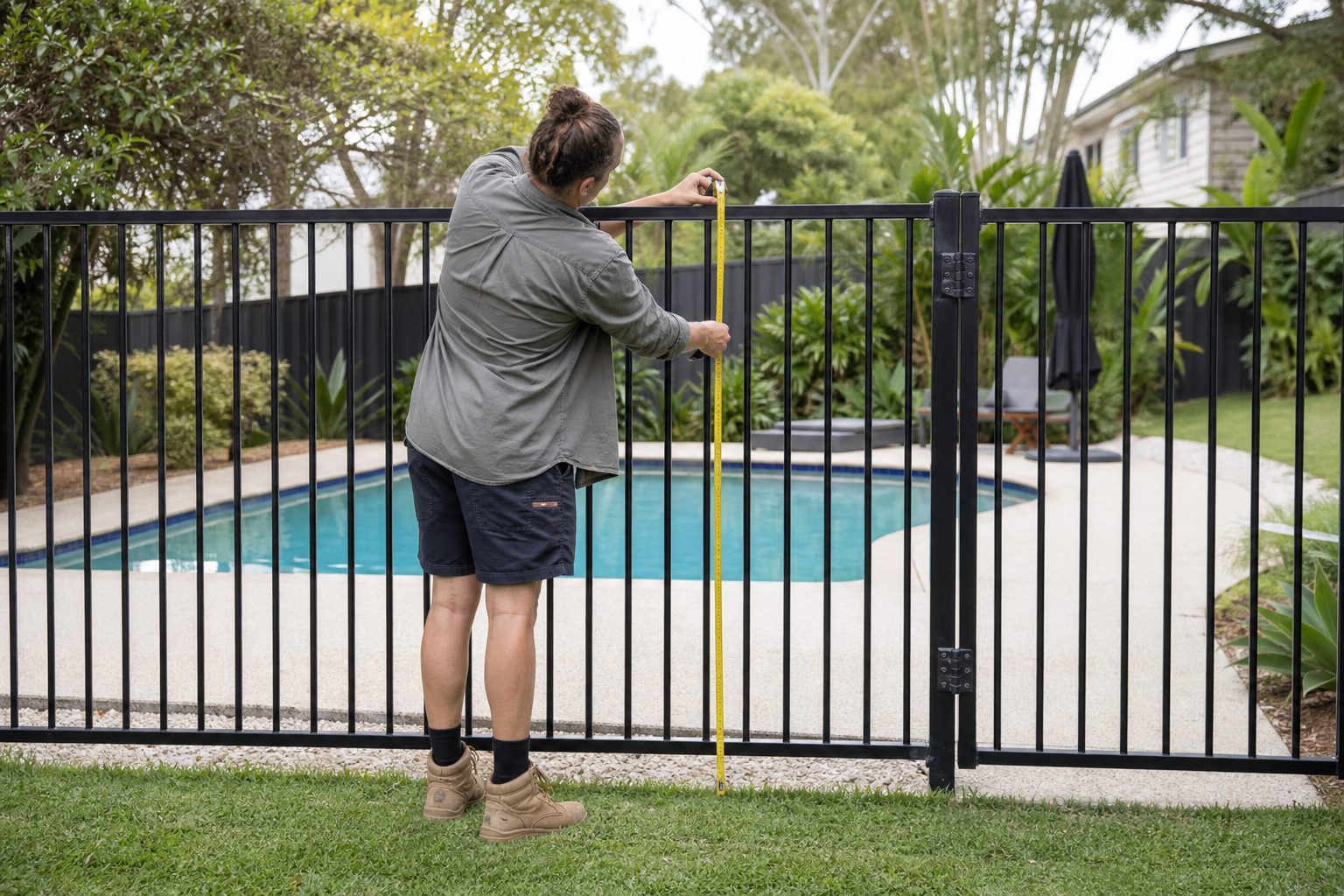
Queensland has some of Australia's most detailed pool fencing requirements, and failing a pool safety inspection can delay a property sale or rental by weeks. Whether you're preparing for a scheduled inspection or just want to stay compliant in 2026, knowing precisely what an inspector checks — and what trips people up — saves time and money.
Who Inspects Pools in Queensland?
Pool safety inspectors in Queensland must be licensed by the Queensland Building and Construction Commission (QBCC). They assess pools against the Building Act 1975 and the pool safety standard set out in the Queensland Development Code (QDC MP 3.4). An inspection is required when selling or leasing a property with a pool, and pool owners can also request a certificate voluntarily.
The Four Core Things an Inspector Checks
1. Fence and Barrier Height
The minimum height for a pool safety barrier in Queensland is 1,200 mm measured on the outside (non-pool side). This seems straightforward, but height is measured from the finished ground level — not from the top of a footing or a raised garden bed. If soil has settled or mulch has built up against the fence, the effective height can drop below 1,200 mm without the owner realising.
2. Gaps and Clearances
Inspectors check that:
- The gap between the bottom of the fence and the ground does not exceed 100 mm
- Vertical gaps between palings or bars are no wider than 100 mm
- Horizontal rails (which can act as footholds) comply with strict spacing rules to prevent climbing
Timber palings can warp or shrink over time, opening gaps that weren't there when the fence was built. Even a paling that has shifted 10–15 mm can create a non-compliant gap.
3. Gates
Every gate in a pool barrier must:
- Self-close from any open position
- Self-latch without manual assistance
- Open away from the pool (outward-opening)
- Have the latch on the pool side, positioned so a child cannot reach through to operate it
Gate hardware is one of the most common failure points. Springs weaken, latches corrode, and hinges sag — all of which stop a gate from closing and latching reliably under its own weight. Inspectors will open the gate fully and let it go; if it doesn't close and latch cleanly every time, it fails.
Ready to get started? Post your job free and local pool safety tradies can quote.
4. Climbable Objects Within 900 mm of the Fence
This is the most frequently overlooked issue. The non-climbable zone (NCZ) extends 900 mm horizontally from the inside of the fence. Anything within that zone that could give a child a foothold is a problem. Common culprits include:
- Garden pots or planter boxes
- BBQs or outdoor furniture moved against the fence
- Air conditioning units or pool equipment boxes
- Trees or shrubs with low branches
- Retaining walls or garden edges that reduce the effective fence height
Pool owners often shift furniture or pots up against the fence for aesthetics or space — not realising this creates a non-compliant climbable object situation overnight.
Common Fails at a Glance
| Issue | Why It Fails |
|---|---|
| Gate latch corroded or stiff | Won't self-latch reliably |
| Mulch built up under fence | Reduces bottom gap clearance |
| Timber palings warped or missing | Gap exceeds 100 mm |
| Pot plant in NCZ | Climbable object within 900 mm |
| Fence height below 1,200 mm | Measured height non-compliant |
| Gate opens inward toward pool | Incorrect swing direction |
Getting the Fence Fixed Before the Inspector Arrives
A pre-inspection checklist walk-around takes about 20 minutes and can prevent a failed certificate:
- Walk the perimeter with a tape measure and check height and ground clearance at every section, not just a few spots.
- Test the gate five or six times — open it wide, let it go, and watch whether it fully closes and latches without help.
- Clear the NCZ on both sides of the fence. Move furniture, pots, and any stored items at least 900 mm away from the barrier.
- Look for warped or shifted palings and replace or re-fix anything that's moved.
- Replace gate hardware if springs or latches show any weakness — new hardware is inexpensive compared to a re-inspection fee.
If your fence needs significant work, a licensed pool fencing contractor can usually complete minor repairs within a few days. For more substantial issues like replacing sections of fencing or adjusting gate orientation, allow at least one to two weeks before booking the inspection.
After the Inspection
If the pool passes, the inspector issues a pool safety certificate, which is valid for two years for non-shared pools. If it fails, you receive a non-conformity notice detailing what needs to be fixed. You then have a set period to make good and arrange a re-inspection.
Actionable takeaway: Don't wait until a sale or lease triggers an inspection. Do a thorough walk-around once a year — especially after winter, when gates stiffen, mulch builds up, and timber moves. Catching small issues early means a quick fix rather than a failed inspection at the worst possible time.
Done researching? The next step is getting real quotes.
Get My Quotes — It’s Free →No obligation. Takes 60 seconds.
Business for sale
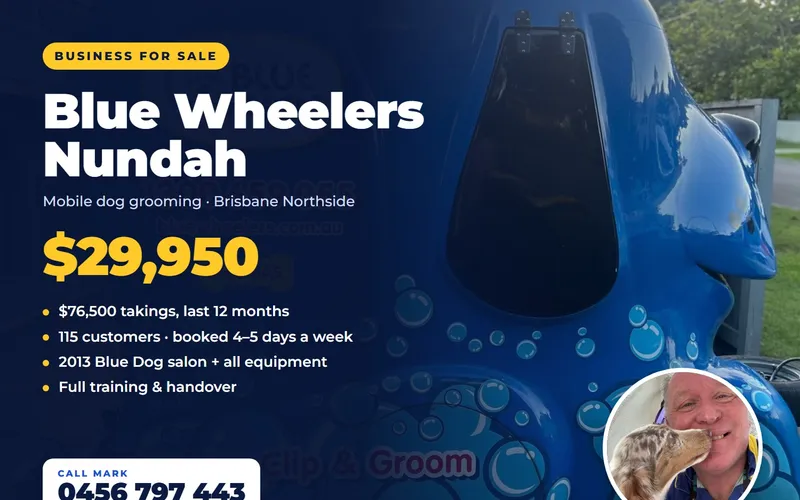
Established Blue Wheelers Mobile Dog Grooming Business – Nundah, Brisbane Northside
Established Blue Wheelers mobile dog grooming business on Brisbane's northside: 115 customers, about $76,500 in takings over the last 12 months, booked 4–5 days a week, with full training and handover.
Local tradies on TradiHub AI
See all →
More tradies on TradiHub AI
Gold Class Pressure Washing
Cleaning · Pressure Cleaning

DLK Studio
Web Development & Design
Find local:Fencers in NundahFencers in CarindaleFencers in CoorparooFencers in Mount Gravatt
For tradies
Tradies: get found by local homeowners
A free-to-start local directory with your real Google reviews and an ABN-checked tick. No per-lead fees, no lock-in. Founding members wanted.