Heat Pump Pool Heaters: Running Costs and Sizing Guide for 2026
How to choose the right size heat pump for your pool, what it will actually cost to run in Australia, and the mistakes that make it underperform.

Heat pumps have become the most popular pool heating choice for Australian homeowners who want year-round swimming without gas bills. But a poorly sized unit, or one running on the wrong tariff, can be a genuine disappointment. Here's what you need to know before you buy — or before you blame your existing unit for being slow.
How a Pool Heat Pump Works
A heat pump doesn't generate heat — it moves it. The unit extracts warmth from the ambient air and transfers it to your pool water using a refrigerant cycle, similar to a reverse-cycle air conditioner. Because you're moving heat rather than creating it, a good unit can deliver 5–6 kW of heating for every 1 kW of electricity consumed. That ratio is called the Coefficient of Performance (COP).
COP drops as outside air temperature falls. Most manufacturers quote COP at 26 °C ambient — always ask for the figure at 15 °C, which is closer to a Sydney or Melbourne winter morning.
Choosing the Right Size
Undersizing is the most common heat pump mistake. An undersized unit runs constantly, struggles to reach temperature, and wears out faster.
A rough sizing rule used by most Australian installers:
| Pool Volume | Recommended Output (covered or warm climate) | Recommended Output (uncovered or cool climate) |
|---|---|---|
| Up to 40,000 L | 10–12 kW | 14–16 kW |
| 40,000–60,000 L | 14–16 kW | 18–22 kW |
| 60,000–90,000 L | 18–22 kW | 25–30 kW |
| 90,000 L+ | 25–30 kW | 35 kW+ |
Factors that push you toward the larger size:
- Pool is unshaded and unenclosed
- You're in Melbourne, Canberra, Adelaide hills, or any area with cold winters
- You want to heat to 28 °C or above in winter
- You don't use a pool blanket
A pool blanket (solar cover) makes a dramatic difference. An unenclosed pool can lose 70–80% of its overnight heat gain through evaporation. A blanket can cut running costs nearly in half — that alone is worth $400–$800 a year for a typical pool.
What Does It Actually Cost to Run?
Running costs depend on three things: your pool size, your target temperature, and your electricity tariff.
Ready to get started? Post your job free and local pool heating tradies can quote.
For a 50,000-litre pool in Sydney, aiming for 26–28 °C year-round:
- Summer (Oct–Mar): The heat pump barely works. Expect 1–3 hours of operation per day. At a typical off-peak tariff of around $0.18–$0.22/kWh, monthly costs might be $20–$50.
- Winter (May–Aug): The unit works much harder. Expect 4–8 hours per day depending on ambient temperature. Monthly costs can reach $120–$220 on a standard tariff.
- Annual estimate (Sydney): $600–$1,200 depending on the unit's efficiency, your electricity rate, and whether you use a blanket.
In Melbourne, budget 30–50% more for winter months due to lower ambient temperatures reducing COP and extending run times.
Tariff tip: If your retailer offers a time-of-use tariff with cheap overnight rates (some off-peak rates are as low as $0.10–$0.13/kWh), scheduling the heat pump to run overnight with a blanket on can significantly cut annual costs. Check whether your heat pump supports a timer or smart scheduling.
Common Mistakes That Kill Efficiency
- Running it without a pool blanket. This single change has the biggest impact on running costs of anything you can do.
- Setting the target temperature too high. Every degree above 28 °C significantly increases run time and cost. Most swimmers are comfortable at 26–27 °C.
- Installing it in a poorly ventilated spot. Heat pumps need good airflow to draw warm air across the coil. Recirculated exhaust air (the cold air the unit expels) drops efficiency fast. Keep at least 500 mm clearance on the exhaust side.
- Ignoring the filter. A partially blocked filter reduces flow rate, which reduces heat transfer efficiency. Clean your filter basket and backwash regularly.
- Buying on headline COP alone. A unit rated COP 6.0 at 26 °C might drop to COP 3.5 at 15 °C. Compare low-temperature COP figures between brands before purchasing.
Installation and Ongoing Maintenance
Installation by a licensed plumber and electrician typically costs $600–$1,200 in addition to the unit price. The refrigerant circuit must be handled by a licensed refrigeration technician — this is a legal requirement under Australian law, not optional.
Annual maintenance is straightforward: clean the coil fins with a hose if debris accumulates, check that the condensate drain is clear, and have a technician inspect refrigerant pressure every few years.
Actionable Takeaway
Before buying, calculate your pool volume (length × width × average depth × 1,000 for litres), confirm whether you'll use a pool blanket, and get the 15 °C COP rating from at least two brands. Then size up rather than down — the extra capacity pays for itself in faster heat-up times and lower wear on the unit. Pair it with an overnight electricity tariff and a blanket, and you'll have one of the most cost-effective heating setups available to Australian pool owners in 2026.
Done researching? The next step is getting real quotes.
Get My Quotes — It’s Free →No obligation. Takes 60 seconds.
Business for sale
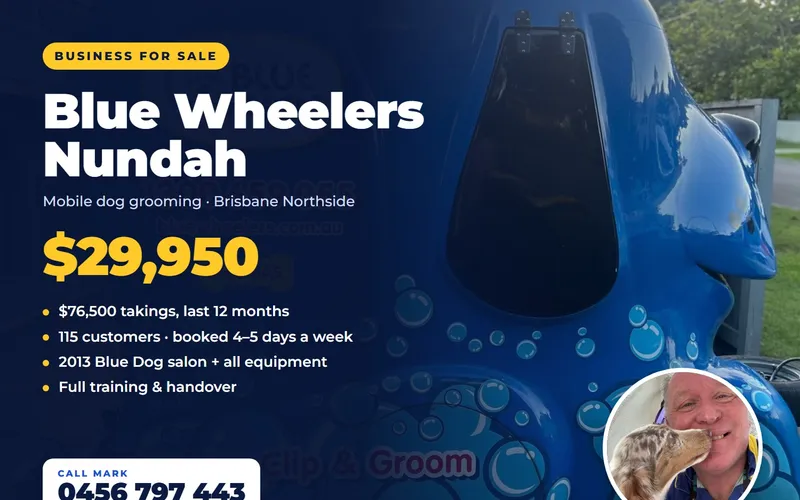
Established Blue Wheelers Mobile Dog Grooming Business – Nundah, Brisbane Northside
Established Blue Wheelers mobile dog grooming business on Brisbane's northside: 115 customers, about $76,500 in takings over the last 12 months, booked 4–5 days a week, with full training and handover.
Local tradies on TradiHub AI
See all →
More tradies on TradiHub AI
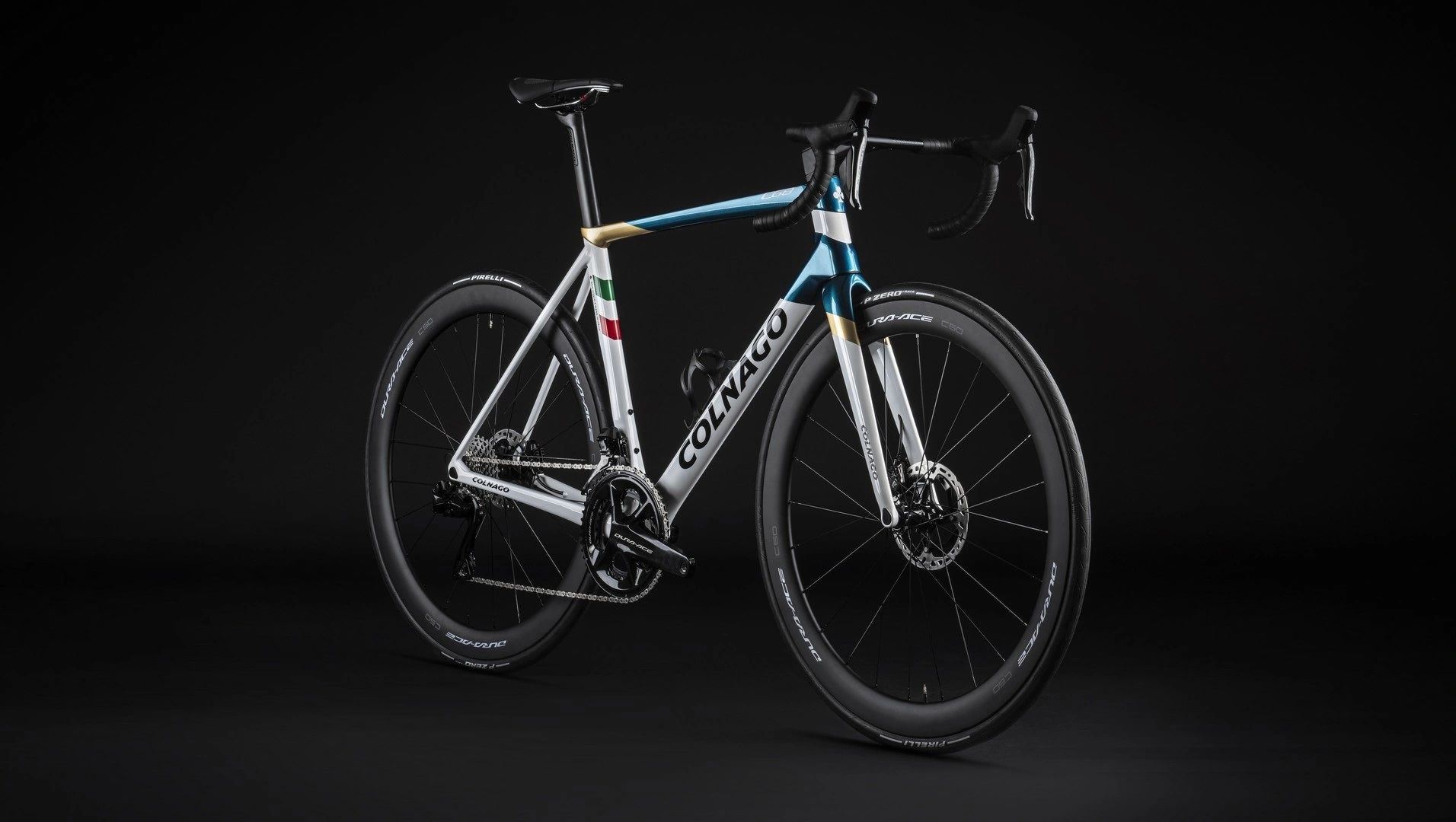
Brisbane Bicycle Service
Bike Repair & Custom Builds
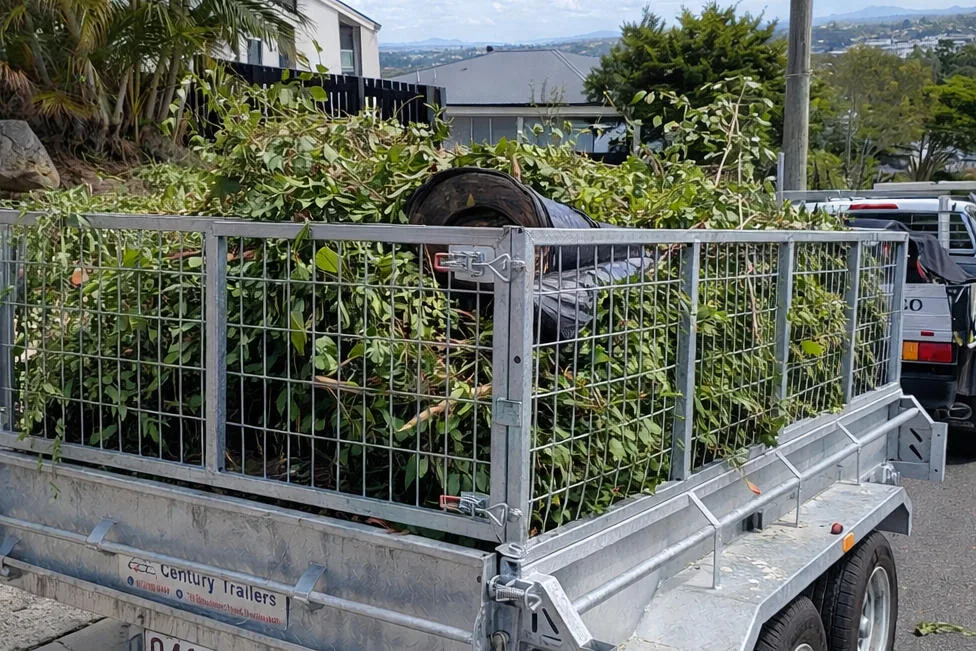
Bin Chicken Recycling
Rubbish Removal
Find local:Solar installers in Acacia RidgeSolar installers in IndooroopillySolar installers in ToowongSolar installers in Bulimba
For tradies
Tradies: get found by local homeowners
A free-to-start local directory with your real Google reviews and an ABN-checked tick. No per-lead fees, no lock-in. Founding members wanted.